

That first warm day in Eugene always seems to catch people off guard. One week it is still rainy and cool, and the next you are reaching for the thermostat wondering if the AC is going to cooperate.
Before you flip the switch, there are a few things worth checking. A little attention now can help you avoid a no-cool call on the hottest day of the year.
Clear the Area Around Your Outdoor Unit
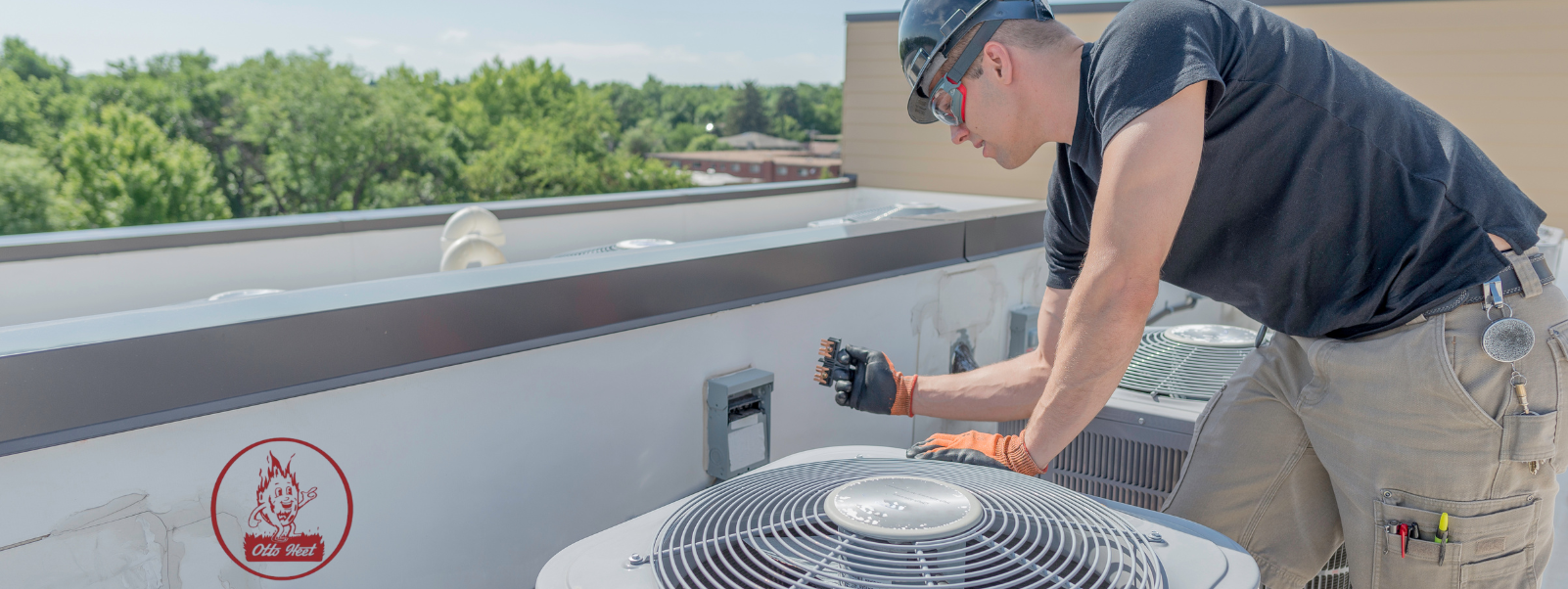
Your condenser unit sits outside all winter, and by spring it has likely collected leaves, grass clippings, dirt, or even debris from wind and storms. If airflow to the unit is blocked, your system has to work harder and may not cool your home effectively.
Take a few minutes to:
- Remove any leaves, branches, or yard debris from around the unit
- Trim back any plants or shrubs so there is at least two feet of clearance on all sides
- Gently rinse the exterior fins with a garden hose (avoid using a pressure washer, which can bend the fins)
This simple step can make a real difference in how well your system performs.
Check Your Air Filter
If you have not replaced your air filter since heating season, now is the time. A clogged filter restricts airflow, makes your system work harder, and can lead to uneven cooling or higher energy bills.
For most homes, replacing the filter every 60 to 90 days is a good rule of thumb. If you have pets, allergies, or a dusty home, every 30 to 60 days is even better.
Test Your System Before You Need It
Do not wait for a 90-degree day to find out something is wrong. On a mild afternoon, switch your thermostat to cooling mode and set the temperature a few degrees below the current indoor temp. Give the system about 15 to 20 minutes to cycle on and start producing cool air.
While it runs, pay attention to:
- Airflow at the vents. Is air coming through steadily, or does it seem weak?
- Temperature. Does the air feel noticeably cool, or is it lukewarm?
- Sounds. Any grinding, buzzing, rattling, or clicking that was not there before?
- Smells. A brief musty smell at first start-up is normal, but anything sharp or burning is worth investigating.
If anything seems off, it is much easier to schedule a service call now than in the middle of July.
Look at Your Thermostat Settings
This sounds basic, but it trips people up every year. Make sure your thermostat is set to “cool” and not still on “heat” or “auto” from winter. If you have a programmable or smart thermostat, check that your cooling schedule reflects your current routine.
If your thermostat uses batteries, replace them. A dead thermostat battery can look like a system failure and lead to an unnecessary service call.
Check Your Vents and Registers
Walk through your home and make sure all supply and return vents are open and unblocked. Furniture, rugs, curtains, and even storage boxes can end up covering vents over the winter months without anyone noticing.
Blocked vents force your system to push air through fewer openings, which creates pressure imbalances and can make some rooms too warm while others overcool.
Know When to Call a Professional
A few of the items above are easy to handle on your own. But if your system does not turn on, blows warm air after running for a while, short cycles on and off, or makes unusual noises, it is time to have a technician take a look.
A spring tune-up covers all of this and more. Your technician will inspect the full system, check refrigerant levels, test electrical components, and make sure everything is running the way it should before temperatures peak.
Start the Season With Confidence
Nobody wants to deal with a broken AC in the middle of summer. A few minutes of attention now, and a professional tune-up if it has been a while, will set you up for a comfortable season.
Automatic Heat has been helping Eugene and Springfield homeowners stay cool since 1947. If your system needs a checkup or you have questions about getting ready for summer, visit automaticheatco.com or call us at 541-726-7656.
CCB #257032